

Pet rat care
Company and settling in
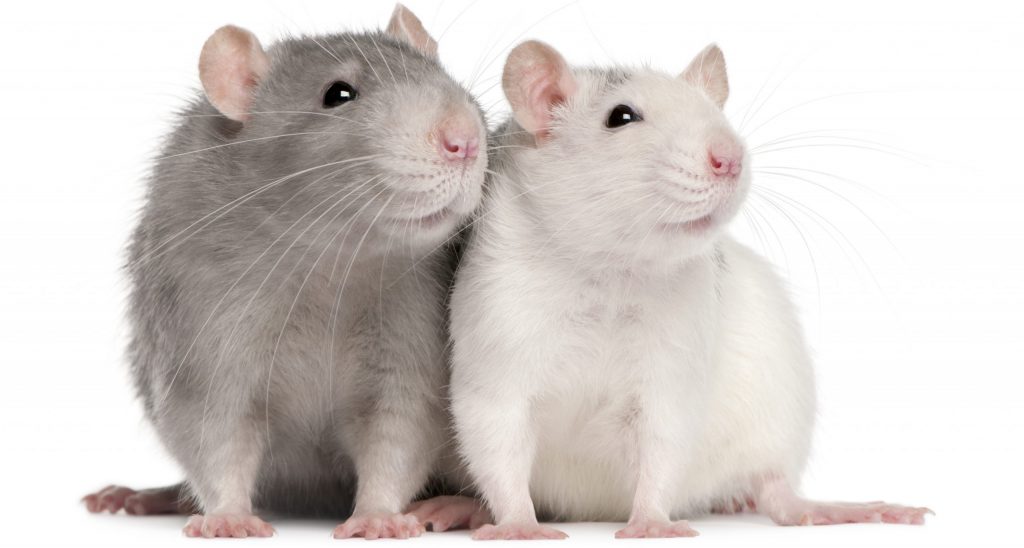
Pet rats are social and active. Arrange a compatible pair or group, of the same sex or with breeding prevented. Introduce newcomers gradually rather than placing them straight into an occupied territory. Spread out hides and food to reduce competition, and let them approach your hand at their own pace.
Clean housing with activities
Choose spacious, ventilated, secure housing that is easy to clean, with solid floors and platforms. Hammocks, tunnels and routes should prevent long falls and trapping. Use absorbent, low-dust, unscented bedding. Remove wet areas and wash bowls daily; a strong urine smell calls for better cleaning and ventilation. Provide daily supervised outings without wires, gaps, toxic plants or other pets. Lift by supporting the body and hindquarters, never the tail. Chewing materials must have no unknown paint or treatments.
Diet and prevention
Offer complete rat food in portions matched to weight and activity, with small amounts of varied vegetables. Avoid seed mixes that encourage selective eating and limit sugary treats. Supply clean water and check the drinker. An initial examination assesses teeth, breathing, skin and body condition; weigh weekly and agree future check-ups. Spaying females may reduce certain tumour risks, but suitability and timing require an individual decision.
Changes that need veterinary attention
Laboured or open-mouth breathing, marked lethargy or stopping eating need rapid attention. Seek advice for weight loss, persistent sneezing, head tilt, wounds or lumps too. Red staining around the eyes or nose may be porphyrin rather than blood, but an increase or accompanying symptoms needs assessment. Lumps have different causes. Do not give another pet’s medication.