

Rabbit care
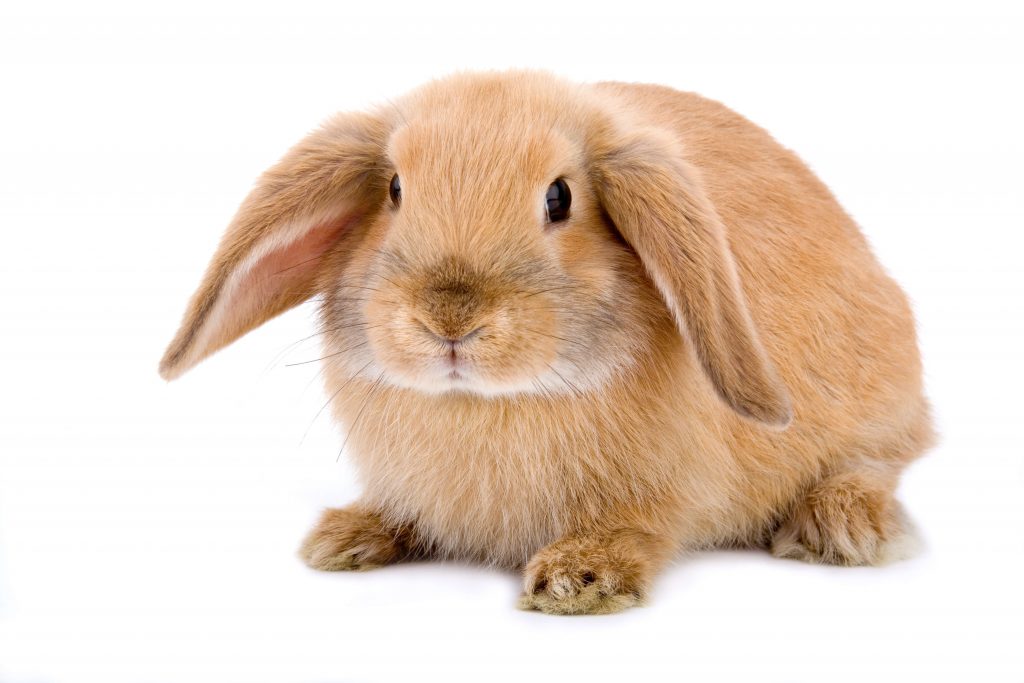
Company, space and handling
The rabbit (Oryctolagus cuniculus) is a lagomorph, not a rodent. Rabbits are social and territorial: plan companionship around compatibility, gradual introductions and breeding prevention. Respect their greater activity at dawn and dusk. Most prefer interaction at floor level to being lifted or cuddled. Provide a large exercise and resting area, protected cables, hides and a litter tray. Avoid cat litter and irritating or dusty bedding; paper pellets are one option.
Hay and feeding
Keep grass hay or safe grass available at all times. Add varied leafy greens and measured complete pellets according to weight, age, body condition and the product. Avoid seed mixes and abrupt changes. Young, pregnant, nursing or unwell rabbits need an individual plan; do not automatically use an adult diet or an age-based rule of unlimited pellets. Provide clean water, preferably in a stable bowl, and monitor drinking and droppings. Fruit is optional in small amounts; avoid sugary sticks and routine calcium blocks.
Choosing hay and pellets
Choose dry, fresh-smelling, low-dust hay without mould. Timothy (Phleum pratense) and orchard grass (Dactylis glomerata) are different plants and can be alternated according to acceptance. Alfalfa is a calcium- and protein-rich legume, not the usual base for a healthy adult. Oxbow is our premium commercial reference for rabbits and rodents, using the appropriate species and life-stage formula. Adult maintenance pellets do not replace hay or automatically suit growth or breeding. Tienda Exóticos is part of our company. Do not apply this diet to rats or hamsters.
Prevention, vaccination and neutering
Arrange general and dental checks according to age and risk. Protection against myxomatosis and viral haemorrhagic disease, including RHDV2, matters for indoor rabbits too. The vet will choose a schedule based on the authorised vaccine, age and previous doses; keep vaccination records and avoid outdated brand schedules. Neutering requires an assessment of development and health; it prevents breeding and, in females, helps prevent uterine disease. There is no automatic age or decision for every rabbit.
Coat, nails and teeth
Brush gently, increasing grooming during moulting or for long coats, and check skin, feet and the rear end. Do not restrain a rabbit on its back, pull mats or cut close to the skin with scissors. Mats and persistent soiling need professional help; individually assessed sedation or anaesthesia may be necessary, without a promise of zero risk. Check nails and ask for help if the blood vessel is unclear. Never clip incisors with pliers or nail clippers. Overgrown teeth need a full mouth examination, including cheek teeth; chewing objects does not correct malocclusion.
Parasites, dandruff and caecotrophs
Passalurus ambiguus can occur in rabbits and often causes few signs; it should not be assumed that all or most rabbits carry it. If you notice worm-like material, keep a faecal sample for identification and a treatment decision. Dandruff has several possible causes, including Cheyletiella, which can cause transient dermatitis in people. Appearance alone does not establish infestation or prevalence: arrange a rabbit examination and consult your own doctor about human skin lesions, mentioning animal contact. Do not use dog or cat parasite products. Uneaten caecotrophs also warrant reviewing diet, mobility and the mouth; reduce pellets only gradually while keeping hay available.
When not to wait
Swallowed grooming hair is not beneficial fibre and does not explain every gut slowdown. Reduced motility has several possible causes. Stopping eating, markedly fewer droppings, pain, diarrhoea, breathing difficulty or lethargy need rapid attention. Do not wait to try different pellets or a digestive supplement. Rabbits hide illness: record changes in weight, eyes, skin and behaviour too.