

Cockatiel care
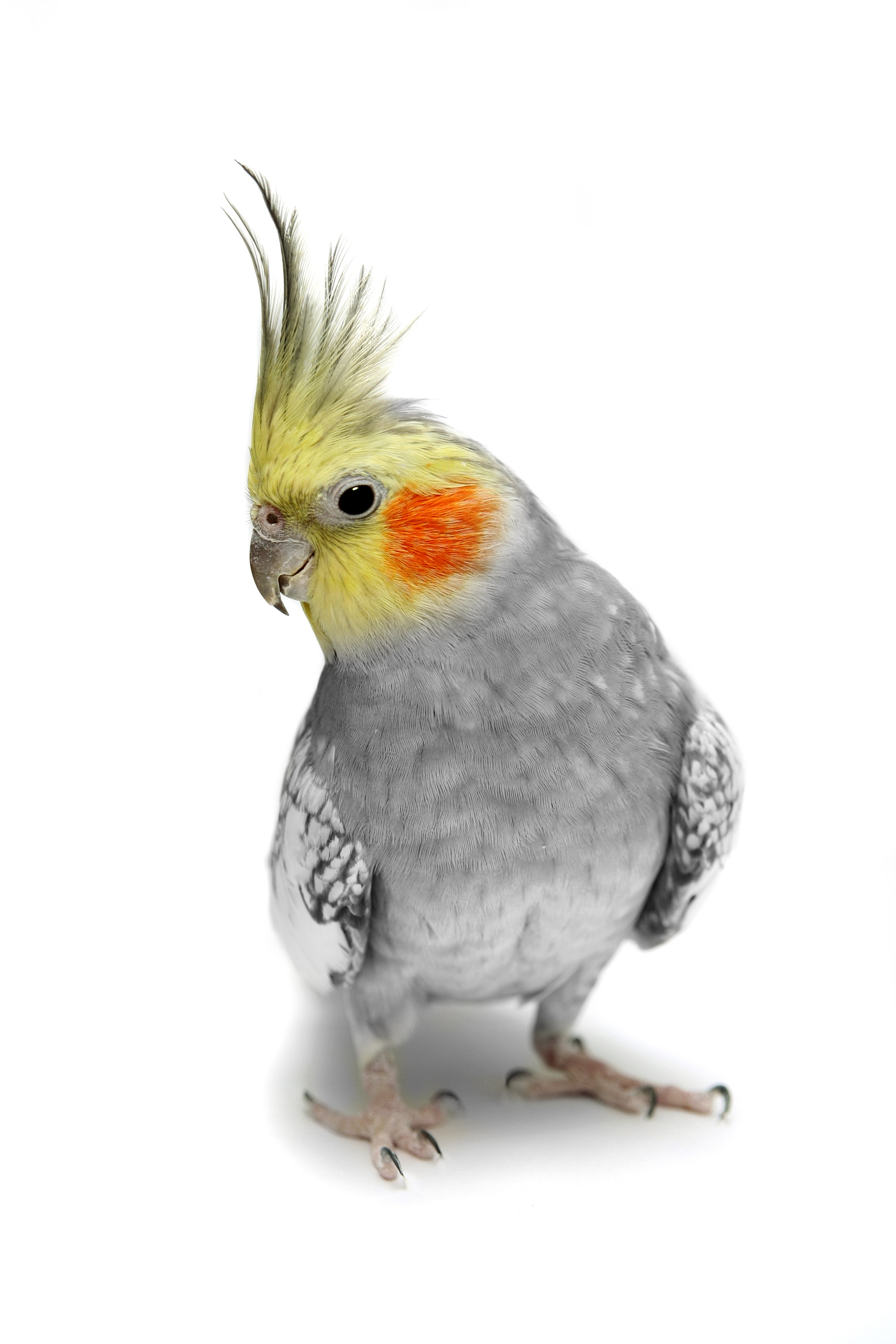
Understanding cockatiels
The cockatiel (Nymphicus hollandicus) is a social Australian parrot needing exercise, company and foraging. This guide covers its daily care, including night frights and repeated egg-laying. Our shorter cockatiel blog article remains a complementary read.
Cage and safe flight
Choose a large rectangular cage allowing wing extension and movement without tail damage, with bars that cannot trap the head. Place varied-diameter perches without blocking movement or fouling food; avoid sandpaper covers. Provide daily supervised flight with doors and windows closed, glass marked and fans off. Remove open water containers and exclude dogs and cats. The cage must remain a safe retreat when supervision is unavailable.
Environment and night frights
Keep the cage away from kitchens, smoke, aerosols and cleaning fumes. Overheated non-stick coatings can release dangerous gases. Avoid unshaded sun and abrupt changes. Provide quiet nights without television or lights interrupting sleep. Some cockatiels panic and flap in darkness: a dim night light may help those individuals. If a fright occurs, light the room gently, avoid chasing and check for injuries or bleeding; discuss repeated episodes with a vet.
Feeding and diet conversion
Plan complete cockatiel food, varied vegetables and a limited seed portion for feeding or training. Seeds alone are not balanced. Adjust for activity, weight and life stage. Keep water clean and remove spoiled fresh food. Avoid avocado, chocolate, alcohol and caffeine. Grit is not needed to digest seeds; calcium and vitamins require a diet assessment. Introduce new food gradually: crumbling a pellet does not prove adequate intake. Weigh at a comparable time and monitor droppings. Do not abruptly withdraw seeds to force conversion; it may take weeks or months. Reduced intake or weight requires advice. Seed husks can hide an empty feeder.
Company, learning and cleaning
Provide daily social contact, choice and exploration. Introduce a compatible companion gradually after an agreed veterinary check and initial separation. Reward stepping onto a perch and entering a carrier. A clean tray with small portions of the ration encourages foraging; remove loose threads, sharp parts and swallowed materials. Change floor paper and wash bowls daily while monitoring droppings. Rinse and dry equipment, separate from kitchen utensils. Offer voluntary shallow bathing or a gentle accepted mist, without soap, perfume, forced soaking or hairdryers; allow drying in a comfortably warm place.
Females and repeated egg-laying
Females can lay without a male. Repeated clutches can cause exhaustion and calcium problems. Avoid nests and nesting corners without a breeding plan, and restrict stroking to the head and neck. If eggs are already present, seek advice before removing them: repeated removal can stimulate further laying. Management involves diet, environment and clinical assessment, not self-prescribed calcium. Straining, weakness, an enlarged abdomen or sitting on the floor need rapid attention. Do not squeeze the abdomen or try to extract eggs.
Prevention and emergencies
Arrange an initial check and individual follow-ups, recording weight, intake, sleep and behaviour. Do not use another pet’s antibiotics or parasite treatments. Open-beak breathing at rest, inability to perch, bleeding, a major impact or fume exposure are emergencies. Reduced eating, weight loss, changed droppings or fluffed, sleepy behaviour warrant early advice; do not wait for unresponsiveness or force food or water.