
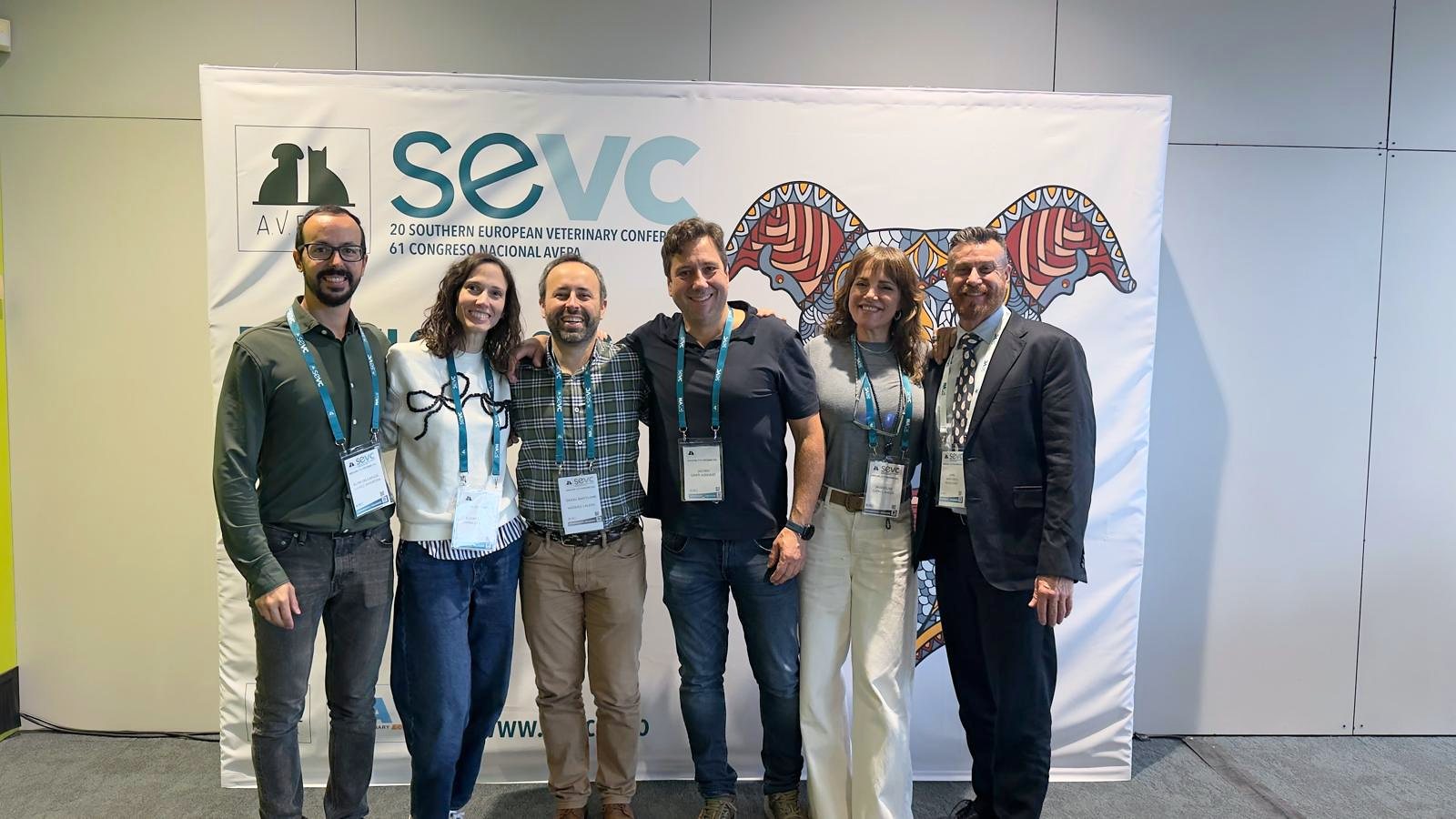
Daniel, Orisylva’s vet, attended the 2026 AVEPA–SEVC National Congress, held in Barcelona from 19 to 21 November. The meeting gave him an opportunity to update his knowledge of avian, reptile and small mammal medicine and exchange experiences with other professionals.
This continuing education is part of Daniel’s commitment to care tailored to each animal in Granada: noticing changes, reviewing living conditions and explaining care options clearly. These are some of the topics covered at the congress and how they relate to veterinary consultations.
Everyday changes can help guide a consultation
Is your pet eating differently, moving less or breathing in a different way? Your observations at home provide information that a single examination may not capture. Sessions on rabbits and guinea pigs explored respiratory, digestive, joint and ear conditions, with assessment tailored to each patient.
Rather than considering one sign in isolation, it helps to put the pieces together: when it started, how it has developed and what else has changed. A head tilt, for example, needs an examination to establish the cause; looking at the outside of the ear is not enough.
Choosing tests to answer a specific question
Ultrasound and other imaging techniques featured in the programme. In selected rabbits, computed tomography, or CT, can reveal areas that are difficult to assess and may help with treatment planning. The value of a test depends on the question being asked and the animal’s condition.
Complex diseases, including systemic coronavirus infection in ferrets, were also discussed. Where evidence remains limited, keeping knowledge current means understanding both the possibilities and the uncertainties, and explaining them clearly.
The living environment is part of care
For tortoises, turtles and other reptiles, reviewing husbandry is part of clinical assessment: temperature, lighting and diet need to suit the species. Talks on skin and shell conditions highlighted the need to investigate lesions and possible contributing factors, alongside everyday care.
Brumation —a seasonal reduction in activity in some reptiles— was another topic. It is not appropriate for every species, and preparation should include an assessment of the animal’s health and living conditions.
Avian sessions covered eye health and the development of young psittacines, such as parrots and budgerigars. A swollen eye, discharge or an eye that stays closed calls for prompt veterinary assessment. For young birds, monitoring growth and adapting feeding to their stage of development are particularly important.
Discussing welfare is also part of veterinary medicine
Deciding what to do involves more than naming a disease. The patient’s welfare and needs, together with the family’s circumstances, all matter. The congress included consultation skills, quality of life and support with difficult decisions.
For pet owners, this should mean clear explanations of what has been found, what remains uncertain and how the next step could help. Asking questions and sharing your observations are part of that process too.
Daniel’s veterinary care in Granada
At Orisylva, Daniel remains committed to continuing education and care tailored to birds, reptiles and small mammals. He sees patients by appointment at partner clinics in Granada.
To review your pet’s care or discuss a change you have noticed, call 858 23 62 62 or 641 130 170; the latter is also available on WhatsApp. Our animal care guides can also help you understand the needs of individual species.