

Guinea pig care
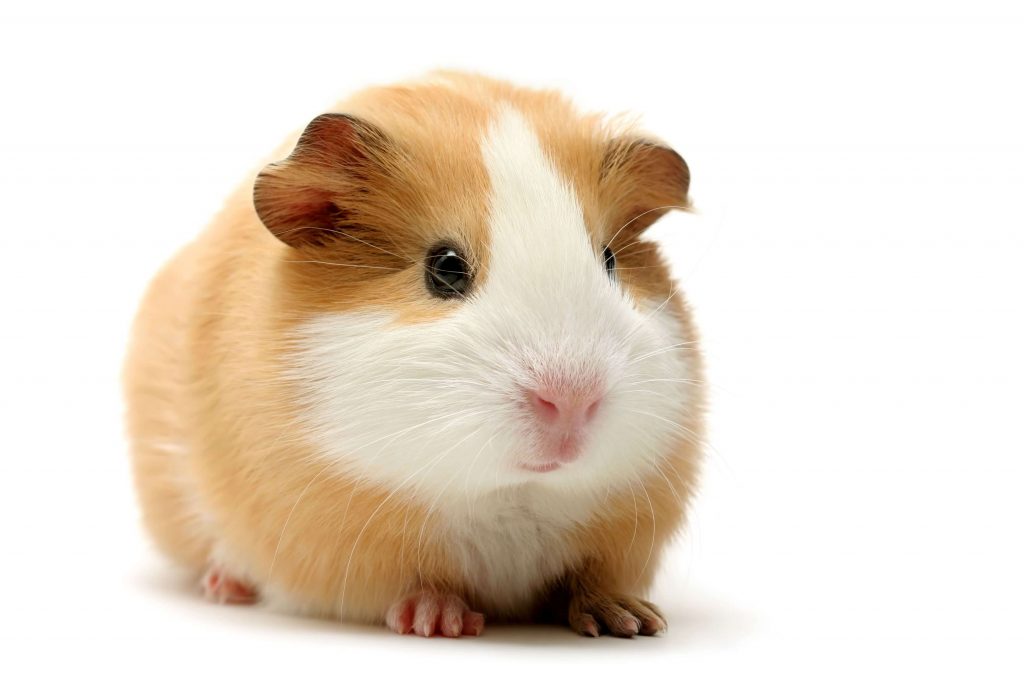
A guinea pig’s daily routine
Guinea pigs need a herbivore’s diet, room to move and company of their own species. Their needs differ from a rabbit’s. Setting up a daily routine before bringing them home helps you notice changes in appetite or activity.
Hay, complete food and vitamin C
Keep clean, mould-free grass hay available at all times. Add a measured portion of guinea pig pellets and gradually introduce suitable vegetables. Avoid seed mixes, honey sticks and sugary treats. Growing, pregnant or unwell animals need individual adjustments. Guinea pigs require vitamin C every day: stored pellets lose vitamin content, and a prescribed oral supplement may be needed. Do not rely on vitamins in drinking water, as they can change its taste and reduce drinking. Check and refresh the water daily.
Space and companionship
Provide a large, solid, dry floor with absorbent bedding; avoid wire floors, exercise wheels and exercise balls. Offer several hides, ideally with two exits, without steep ramps or falls. Protect them from sun and heat. Introduce a compatible guinea pig gradually, with reliable sexing and breeding prevention. Make sure every animal can reach food and water. Do not house them with rabbits. Lift with both hands supporting the chest and hindquarters, close to the floor.
Monitor and seek help promptly
Check appetite, droppings, activity, eyes and the rear end every day; record weight weekly and inspect nails and footpads. Drooling or dropping food may indicate cheek-tooth disease even when the incisors look normal. Reduced eating or fewer droppings warrants same-day advice. Breathing difficulty, a markedly swollen abdomen, straining to urinate, bleeding or severe weakness are emergencies. Do not use leftover antibiotics or medicines intended for another pet.