
Tortoise and aquatic turtle care
Identify the species first
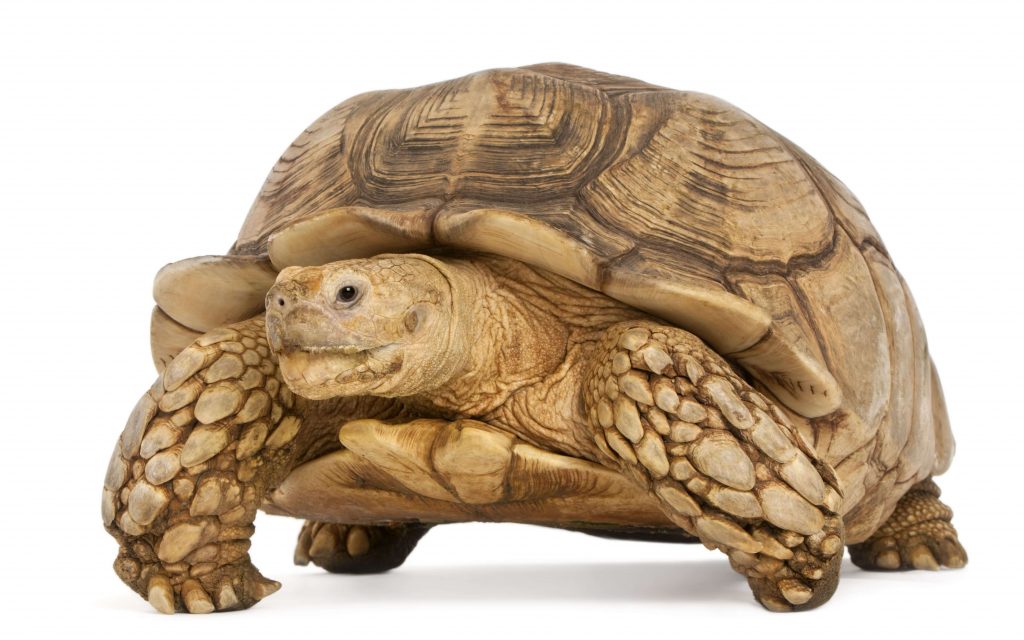
Tortoises and aquatic turtles need different care, and species within each group differ too. Confirm the name, origin and adult size before planning housing and food. Tortoises include Testudo graeca, Testudo hermanni and Testudo horsfieldii; aquatic turtles include Mauremys reevesii, Mauremys sinensis and Graptemys pseudogeographica. Identification requires more than the shell’s appearance.
Housing, heat and UVB
Aquatic turtles need room to swim, filtration, clean water and an accessible dry basking area. Tortoises require a secure, well-drained enclosure with hides. Measure heat and lighting in both cases and provide suitable UVB. Room temperature and sunlight through glass do not guarantee the required conditions. In Granada, plan winter care around the species and enclosure rather than assuming all animals can stay outdoors.
Diet and hygiene
Many tortoises need fibrous leafy plants; aquatic turtles differ in their requirements for animal and plant foods. Dried shrimp are not a complete diet. Agree calcium and supplement use according to species and life stage. Remove leftovers and monitor water quality. Wash hands and keep equipment separate from the kitchen. Do not paint the shell or use another pet’s medicine.
Hibernation and signs of illness
Hibernation depends on the species and individual, not a broad rule about cold or desert climates. Before planning it, have health and body condition assessed and agree preparation, temperatures, monitoring and waking with the vet. Do not chill an unidentified, ill or underweight animal. Non-hibernating species need active conditions throughout winter. Persistent poor appetite, weight loss, swollen eyes, nasal discharge, open-mouth breathing, shell softening or injuries, abnormal floating and difficulty walking need advice. Bring records of diet, weight, temperatures and lighting.