

African pygmy hedgehog care
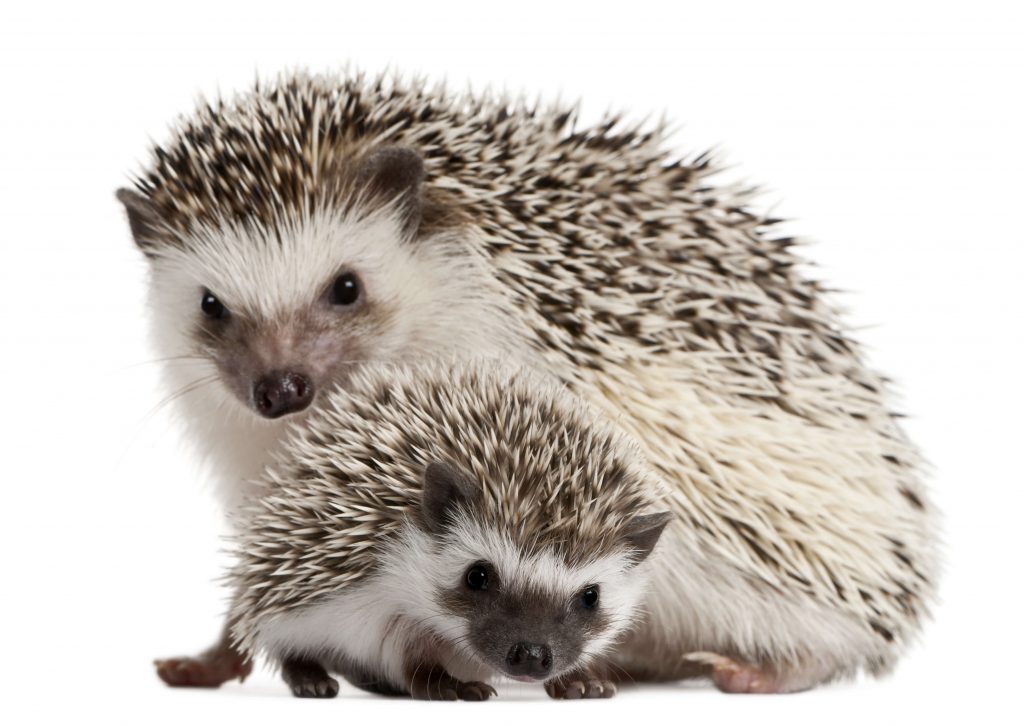
A nocturnal, solitary species
African pygmy hedgehogs need quiet daytime rest and night-time activity. Prepare spacious, secure, ventilated individual housing, with a hide and soft, absorbent, unscented, low-dust bedding. Confirm species and sex with professional help; do not apply these guidelines to wild European hedgehogs.
Measured warmth, including in winter
Published husbandry guidance gives an optimal range of 24–29°C for this species. Measure the environment and use guarded, thermostatically controlled heating without bright night-time light. Avoid both chilling and overheating, and allow the animal to move away from the heat. A cold, very inactive hedgehog is not undergoing normal hibernation: seek prompt advice and avoid direct contact with heaters or hot water.
Food and exercise
Choose complete hedgehog or insectivore food; if unavailable, a vet may select a weight-management cat-food alternative. Match portions to the individual, weigh weekly and include well-fed captive-bred insects within the diet plan. Fatty insects should not dominate; avoid milk and raw meat or eggs. Change food gradually and provide water at all times. Offer a large solid-surface wheel, safe tunnels and supervised exploration: wire wheels can trap feet.
Daily checks
Check food intake, night-time activity, droppings, feet and toes; wrapped hairs or threads can restrict circulation. Self-anointing, when saliva is spread onto the spines after encountering a new smell, can be normal behaviour: do not routinely interrupt it. Poor appetite, weight loss, excessive spine loss, wounds, wobbliness and abnormal breathing need veterinary assessment.