

Leopard gecko care
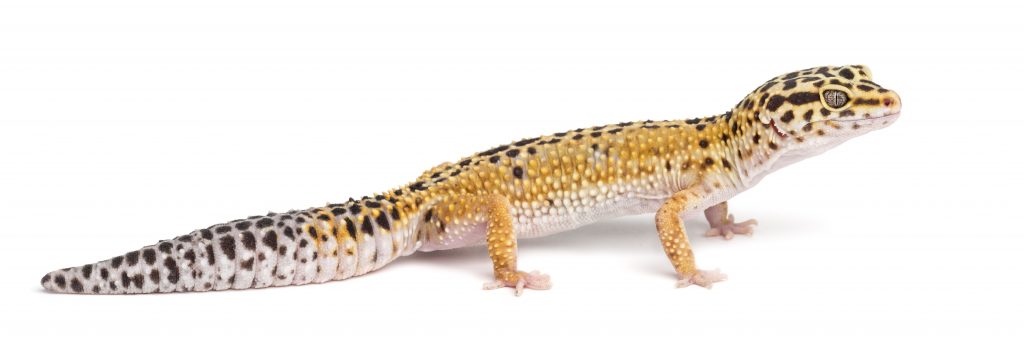
Understanding its needs
The leopard gecko (Eublepharis macularius) is a ground-dwelling reptile mainly active at dusk and dawn. A calm temperament does not remove the need to manage diet, temperature, lighting and shedding. Colour varieties can differ in light sensitivity; review the setup for the individual.
Insects, water and supplements
Offer varied captive-bred insects of a suitable size, fed properly before use. Match feeding to age, weight and body condition, and remove uneaten insects. Provide clean water in a shallow dish. Calcium and vitamins depend on the product’s ingredients, diet, UVB and individual: there is no universal vitamin D3 schedule, and combining supplements can cause excesses.
Hides, lighting and substrate
Set up secure, ventilated individual housing with warm and cool zones and hides in both. Add a humid shedding hide without soaking the whole vivarium. Control heating with a thermostat and measure conditions. Correctly installed low-level UVB can be useful, with shade and a day–night cycle. Follow distance and replacement instructions: glass and mesh change exposure. Paper is useful during quarantine or illness; avoid calcium sand, corncob bedding and materials that may be swallowed or collect dirt.
Shedding and monitoring
Never hold a gecko by its tail or pull off retained skin. Hot baths are not a routine shedding solution; seek advice for skin stuck around toes or eyes. Monitor weight, appetite, droppings and tail thickness. Weight loss, weakness or difficult breathing need assessment. An initial check helps prevent husbandry problems. Wash your hands and keep vivarium equipment separate from kitchen utensils.